
Creative jobs are growing here. The routes in shouldn't be closed.
The West Midlands has a fast-growing creative and broadcast sector. But the routes into it are informal, expensive and closed to many communities. iFM Pro exists to change that.
Talent everywhere. Access for a few.
Broadcast and production work in the West Midlands is expanding — but the door in is mostly who-you-know, unpaid and out of reach for people without existing networks or the means to work for free.
That locks out exactly the communities this industry says it wants to reach. We don't think that's an accident to wait out — it's a problem to fix with training, real briefs and paid work.
- Routes in are informal — built on contacts, not open application.
- Experience is often unpaid — pricing out many communities.
- Training is expensive or disconnected from real production work.
- Under-represented groups face closed networks, not a lack of talent.
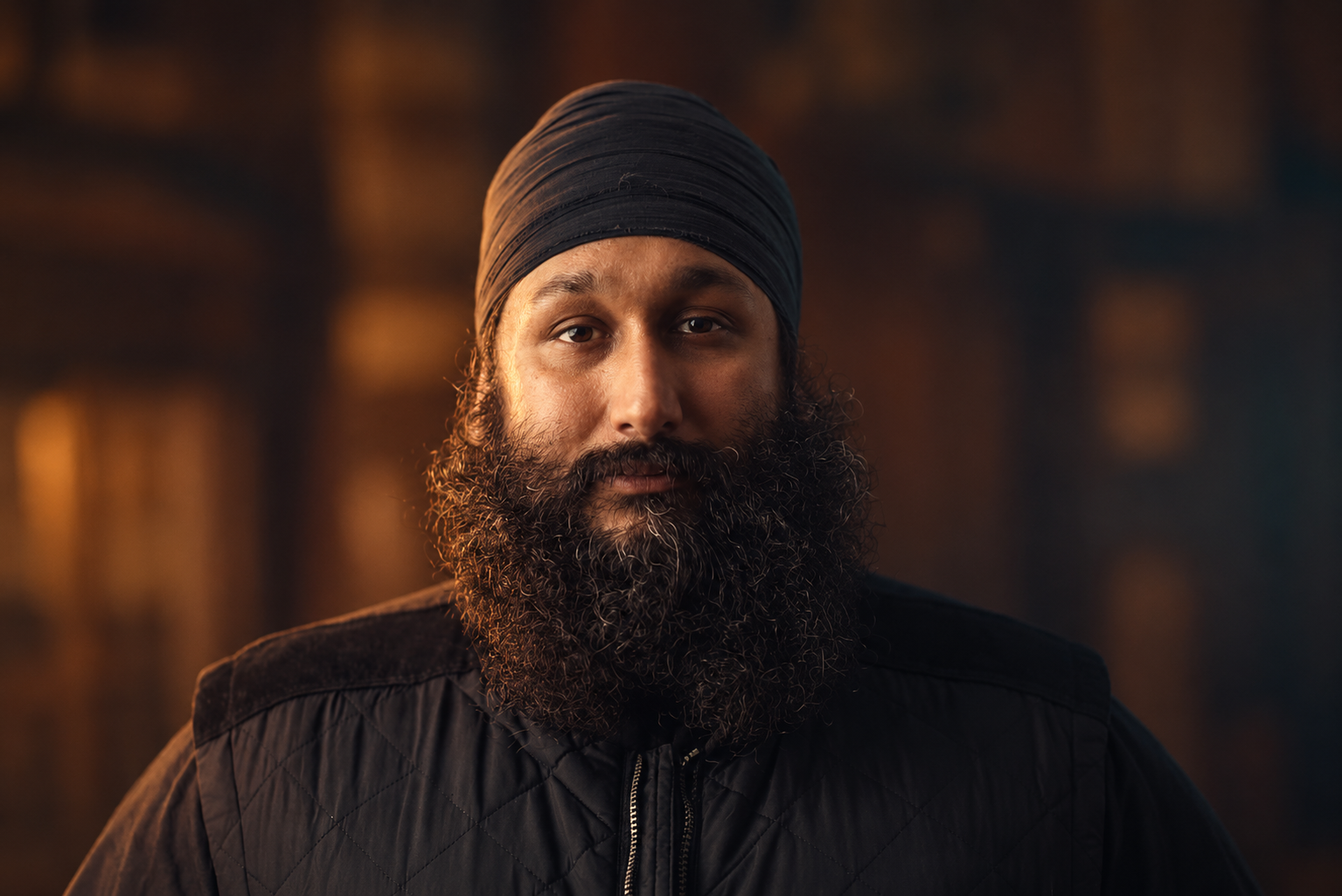
Pritpal Singh Sagoo
Founder, iFM Pro
We train the people we'd hire. Then we put them to work.
My route into media started with the craft. At Kingston University I studied Computer Graphics Technology. I learned to film, edit, light and composite, and how the technology behind a picture shapes what an audience feels.
I have run my own production company for ten years, and today I run iFM Pro. We have filmed multicamera productions at the Royal Albert Hall and the Barbican, delivered concerts to Sky Arts specification for Darbar Arts and Heritage, made content for the NHS, and worked with Sangat Television, which broadcasts nationally on Sky. Along the way I have hired crews, built editing pipelines and put live television on air.
And I keep seeing the same gap. There are talented people across the West Midlands who could do this work but have never been shown the route in. And there are employers who struggle to find dependable crew who already understand how a real production runs.
For years I have trained people informally. I have supervised University of Birmingham masters students on placement, and designed workshops for University College Birmingham students and for local teachers. I have watched a colleague go from a bootcamp to building virtual sets for a national channel. Training changes careers when it is tied to real work.
"Training changes careers when it is tied to real work."
That is why iFM Pro exists: to upskill people and give them clear routes into employment. We teach the way productions actually run: real briefs, real clients, real deadlines. We are building our courses with working professionals who have lit Wimbledon studios, shot for ITN and Sky, and managed dailies on major feature films. Then we connect our learners to work through our productions, our partners and our talent pool. Our particular focus is people from communities that have been under-represented in the industry.
We train the people we'd hire. Then we put them to work.
Pritpal Singh Sagoo
Founder, iFM Pro
Train the people we'd hire — then put them to work
We don't just teach media skills. We build a credible route from training into employment, and we open that route to people the industry has historically left out.
Industry credibility first
Training designed and delivered by people who still work in broadcast and production. The bar is the bar of the industry, not the classroom.
Routes, not gatekeeping
We open creative careers to people who are under-represented in the industry — and back it with real work, not just certificates.
Accountable outcomes
Success is employment, freelance income and progression. We measure what happens after the course, not just attendance.
Built for people ready to do the work
Our training is open to anyone serious about a creative career — with a particular focus on communities under-represented in the industry.
- Young people looking for a real first step into creative work
- Career changers moving into media from other fields
- Community and faith-based creatives building professional craft
- Public-sector teams needing broadcast, video and livestream skills
Not certificates. Outcomes.
A course only counts if it changes what someone can do next. We track three things.
Employment — learners moving into paid roles
Freelance income — paid crew and content work through our network
Progression — stepping up to higher-level briefs and responsibilities
If this is the door you've been looking for
Apply to a course, or explore the talent pool if you're here to hire.